Full Spectrum Infrared Sauna: Your Path to Optimal Health and Wellness
In recent years, full spectrum infrared saunas have gained significant popularity for…
Keep reading
In recent years, full spectrum infrared saunas have gained significant popularity for their ability to provide numerous health benefits. Unlike traditional saunas, which rely on steam or dry heat, full spectrum infrared saunas use infrared light to heat the body directly, offering a more comfortable and efficient experience. In this blog, we’ll explore what a full spectrum infrared sauna is, its benefits, and how to find the best option for your wellness journey.
A full spectrum infrared sauna is a specialized type of sauna that uses infrared light to generate heat. Unlike conventional saunas that heat the air around you, infrared saunas warm your body directly through the skin and deeper tissues, resulting in a more efficient and comfortable experience. Full spectrum refers to the three types of infrared wavelengths that the sauna emits—near, mid, and far infrared—all of which have distinct benefits.
Combining these three wavelengths in one sauna provides a more holistic approach to health and wellness, targeting different layers of the body for maximum therapeutic effects.

When choosing the best full spectrum infrared sauna, several factors come into play. Whether you’re looking for one to use at home or seeking the ideal option in a wellness facility, these criteria are key to consider:
The benefits of using a full spectrum infrared sauna extend beyond simple relaxation. Infrared therapy is known to provide a variety of health advantages, which can make it a valuable tool for overall wellness. Some of the key benefits include:

Full spectrum infrared sauna therapy is a holistic approach to healing and wellness that uses a range of infrared wavelengths to target different areas of the body. Unlike traditional saunas that rely on ambient heat, infrared therapy works by directly warming the body’s tissues. This allows for a more comfortable experience, as the surrounding air remains cooler while the body still receives therapeutic heat.
Each session typically lasts 20 to 45 minutes, depending on the individual’s tolerance and the temperature settings. It’s recommended to start with shorter sessions and gradually increase the time as your body adjusts. You’ll begin to sweat within a few minutes of entering the sauna, as the infrared waves start penetrating your skin and muscles.
Hydration is key when using a full spectrum infrared sauna, as you’ll be sweating a lot. Make sure to drink water before, during, and after your session to replace lost fluids and support the detoxification process. Many people find that infrared sauna therapy complements other wellness practices, such as massage therapy, acupuncture, and chiropractic care, for a truly holistic experience.
Full spectrum infrared saunas offer a powerful combination of detoxification, pain relief, improved circulation, and skin rejuvenation. By utilizing a range of infrared wavelengths, these saunas provide a tailored, comprehensive approach to wellness that traditional saunas can’t match. Whether you’re seeking to enhance your overall health, alleviate chronic pain, or simply relax and unwind, incorporating regular full spectrum infrared sauna sessions into your routine can be a game-changer.
At Circles of Wellness Med Spa, we’re proud to offer state-of-the-art full spectrum infrared saunas to help you on your wellness journey. Book your session today and experience the transformative benefits for yourself!
In recent years, full spectrum infrared saunas have gained significant popularity for…
Keep readingPedicures are a luxurious and rejuvenating experience that not only enhance the…
Keep readingDysport has gained significant popularity as a non-invasive cosmetic treatment designed to…
Keep reading
How Long Does a Pedicure Last?
Pedicures are a luxurious and rejuvenating experience that not only enhance the appearance of your feet but also contribute to overall well-being. Beyond the immediate aesthetic benefits, regular pedicures offer a range of advantages that extend beyond the spa setting. In this comprehensive guide, we will delve into the factors that influence the longevity of a pedicure, providing you with valuable insights and tips for maintaining your results. A pedicure is not just a beauty treatment; it’s a moment of relaxation and self-care. Whether you’re preparing for a special occasion or simply pampering yourself, knowing how long a pedicure lasts can help you plan your self-care routine. In this article, we’ll explore the longevity of a pedicure and discuss related treatments like medicures and pedicures.
A pedicure is a cosmetic treatment focused on the care and beautification of the feet and toenails. This luxurious treatment typically begins with soaking the feet in warm, aromatic water to soften the skin and relax the muscles. The process includes exfoliating dead skin cells from the feet, especially around the heels and soles, using a foot scrub or pumice stone. The toenails are then carefully trimmed, shaped, and buffed, ensuring they are clean and well-maintained. Finally, a rich moisturizer is applied to keep the feet hydrated, and nail polish is added for a finishing touch of elegance.
While a pedicure focuses primarily on enhancing the appearance of the feet, it also provides a moment of relaxation and pampering. For those who want to combine beauty with health, incorporating a medicure into your routine can be beneficial. A medicure, which addresses specific foot health issues, can complement a pedicure by ensuring your feet are not only beautiful but also healthy. Together, these treatments offer a holistic approach to foot care, ensuring that your feet look and feel their best.
To ensure your pedicure lasts as long as possible, it’s important to take care of your feet. This includes moisturizing daily, avoiding harsh activities that can chip your nail polish, and wearing socks or slippers around the house. If you notice any chipping or wear, you can touch up your polish at home to keep your toes looking fresh.
A medicure, sometimes referred to as a medical pedicure, is a more in-depth foot treatment that goes beyond the cosmetic. It addresses foot health issues such as ingrown toenails, fungal infections, and calluses. This treatment is typically performed by a podiatrist or a trained specialist in foot care. While a medicure may not focus on aesthetics, it can significantly improve the overall health of your feet, making your pedicure last longer.
Before we explore the longevity of pedicures, it is essential to differentiate between pedicures and medicures. While both involve foot care, they serve distinct purposes. A pedicure is a cosmetic treatment that focuses on enhancing the appearance of your feet through nail trimming, shaping, buffing, and polishing. It also includes exfoliation and massage to promote relaxation and rejuvenation. On the other hand, a medicure is a medical treatment designed to address specific foot health concerns, such as calluses, corns, or fungal infections. Medicures are typically performed by podiatrists or other medical professionals and involve specialized techniques to treat underlying foot conditions.
The duration of a pedicure’s effects can vary depending on several factors, including:
Tips for Maintaining Your Pedicure To maximize the longevity of your pedicure and enjoy its benefits for as long as possible, consider the following tips:

Pedicures and medicures are both treatments that focus on foot care, but they serve different purposes. A pedicure is a cosmetic procedure that aims to enhance the appearance of your feet through nail trimming, shaping, buffing, and polishing, as well as exfoliation and massage. On the other hand, a medicure is a medical treatment designed to address specific foot health concerns, such as calluses, corns, or fungal infections.
If you are looking to improve the overall appearance of your feet and indulge in a relaxing spa experience, a pedicure is an excellent choice. Pedicures can help to soften rough skin, remove dead skin cells, and enhance your feet’s natural beauty. However, if you are dealing with specific foot problems, a medicure is a more appropriate option. A podiatrist or other medical professional can assess your feet and provide targeted treatments to address your concerns.
Ultimately, the decision of whether to get a pedicure or a medicure depends on your individual needs and goals. If you are simply seeking to pamper your feet and improve their appearance, a pedicure is a great option. However, if you have specific foot health concerns, a medicure may be more beneficial. It is important to consult with a qualified professional to determine which treatment is right for you.
The ideal time to schedule your next pedicure depends on your individual needs and lifestyle. However, most people find that getting a pedicure every 2-4 weeks helps to maintain their feet’s appearance and health.
Understanding how long a pedicure lasts and the benefits of additional treatments like medicures can help you make the best decision for your foot care routine. Whether you opt for a standard pedicure, a medicure, or a combination of both, taking care of your feet will ensure they stay healthy and beautiful for weeks to come.
DERMAL FILLERS are a cornerstone of temporary, no-downtime facial rejuvenation.
Keep readingDERMAL FILLERS are a cornerstone of temporary, no-downtime facial rejuvenation.
Keep readingDERMAL FILLERS are a cornerstone of temporary, no-downtime facial rejuvenation.
Keep reading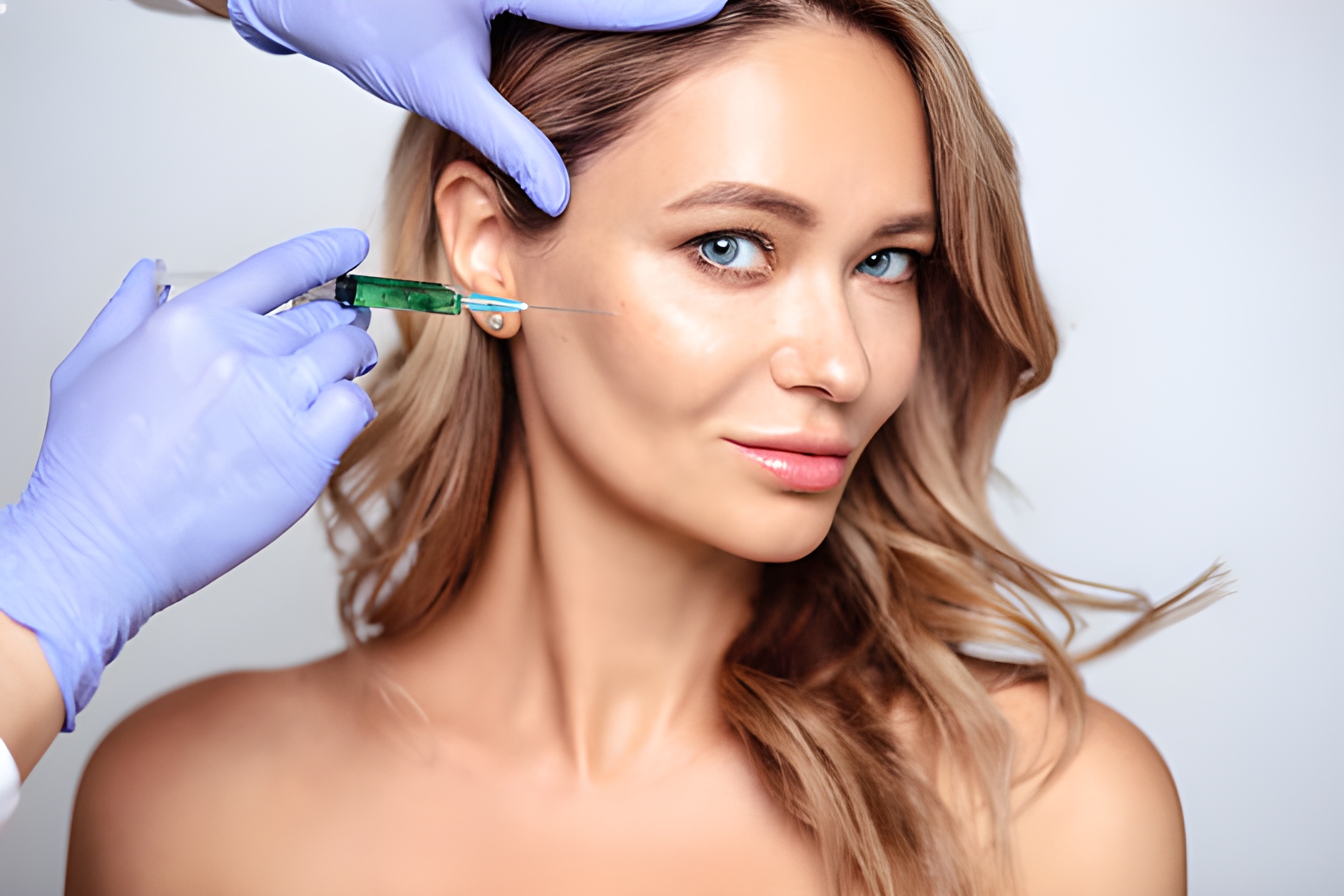
How Long Does Dysport Last? Your Guide to Smoother Skin
Dysport has gained significant popularity as a non-invasive cosmetic treatment designed to diminish the visibility of wrinkles and fine lines. It has become a preferred choice for many individuals seeking to rejuvenate their appearance without undergoing surgical procedures. A common question that arises for those considering Dysport is its duration of effectiveness. While the desire for long-lasting results is understandable, the reality is that the lifespan of Dysport’s effects can vary considerably from person to person. Several factors influence this variability, making it essential to explore these elements in detail to gain a comprehensive understanding.
Before delving into the intricacies of Dysport’s duration, it’s essential to establish a foundational understanding of this popular cosmetic treatment. Dysport is a neuromodulator, a classification it shares with its well-known counterpart, Botox. Both substances operate by temporarily inhibiting the underlying muscles responsible for the formation of wrinkles. This mechanism involves the strategic injection of Dysport into specific facial areas, where it effectively blocks nerve signals destined for these muscles. The subsequent relaxation of the muscles leads to a visible reduction in the depth and prominence of wrinkles, resulting in a smoother and more youthful appearance.
One common concern among patients is the potential for a post-treatment headache. While not experienced by everyone, some individuals may report temporary discomfort. Typically, any Dysport-related headache should subside within a few days. If the headache persists or worsens, it’s crucial to consult your medical provider.
The forehead is a popular target for Dysport treatments. On average, the effects of Dysport on forehead lines last between 3 to 4 months. However, individual results can vary. Factors such as your metabolism, muscle activity, and the amount of Dysport injected can influence the duration of the treatment
Dysport can effectively address crow’s feet and other lines around the eyes. Similar to the forehead, the results typically last between 3 to 4 months. However, the delicate skin around the eyes may metabolize the treatment slightly faster, potentially leading to shorter-lasting effects compared to other areas.
If you’re a Dysport newcomer, you might be curious about the treatment’s longevity. The initial Dysport treatment often provides results lasting around 3 months. Subsequent treatments may offer longer-lasting benefits as your body becomes accustomed to the neuromodulator.

Several factors can influence how long the effects of Dysport last. These individual variations contribute to the range of results experienced by patients:
To prolong the rejuvenating effects of your Dysport treatment and maintain a youthful appearance for an extended period, incorporating specific post-treatment care and lifestyle practices is essential. By following these guidelines, you can optimize the duration of your Dysport results and maximize the benefits of this popular cosmetic procedure.
Choosing between Dysport and Botox can be overwhelming. Both are neuromodulators, but they have distinct characteristics. Dysport is often preferred for larger muscle groups like the forehead due to its wider spread, potentially offering a softer, more natural look. Botox, on the other hand, tends to have a more localized effect, making it ideal for smaller areas like crow’s feet. Ultimately, the best choice depends on individual factors. Your desired outcome, the specific areas you want to treat, and your medical history should all be considered. Consulting with a qualified medical professional is essential to determine the most suitable treatment for your unique needs. They can assess your facial structure, discuss your goals, and recommend the neuromodulator that aligns best with your expectations.

Dysport is generally considered a safe and effective treatment when administered by a qualified medical professional. However, like any medical procedure, it carries potential risks and side effects. While serious adverse reactions are rare, it’s essential to be aware of the possibilities.
Common side effects of Dysport include temporary discomfort at the injection site, such as redness, swelling, or bruising. These typically subside within a few days. In some cases, individuals may experience headaches, flu-like symptoms, or temporary muscle weakness near the injection area. These side effects are usually mild and short-lived.
It’s crucial to disclose your complete medical history to your healthcare provider before undergoing Dysport treatment. Certain medical conditions or medications may influence the treatment’s suitability or increase the risk of side effects. Pregnant or breastfeeding women should generally avoid Dysport due to a lack of sufficient safety data.
Dysport can be an excellent choice for reducing the appearance of wrinkles and fine lines. While the duration of results varies, understanding the factors that influence it can help you make informed decisions about your treatment plan. If you’re considering Dysport, schedule a consultation with a qualified medical professional to discuss your goals and expectations.
DERMAL FILLERS are a cornerstone of temporary, no-downtime facial rejuvenation.
Keep readingHow Do Chemical Peels Work? A chemical peel is a dermatological procedure…
Keep readingWhat is Botox? Botox Cosmetic is a brand name for the botulinum…
Keep reading
What Kind of Facial Should I Get?
Semaglutide has emerged as a promising solution for weight loss, offering hope to many struggling with obesity. However, understanding the duration and guidelines for its usage is crucial for achieving optimal results. In this blog post, we will explore the key aspects of using Semaglutide for weight loss, including when to start, when to stop, and how it compares to other treatments like Tirzepatide. We will also cover user reviews, acquisition methods, and its availability in St. Augustine, Florida.
One of the most common questions people have is whether they should continue taking Semaglutide after reaching their weight loss goals. The answer depends on individual circumstances and goals. Semaglutide works by mimicking a hormone that targets areas of the brain involved in regulating appetite and food intake. For many, continuing the medication helps maintain the weight loss achieved.
Deciding when to stop taking Semaglutide should be a carefully considered decision made in consultation with your healthcare provider. Factors influencing this decision include:

Both Semaglutide and Tirzepatide are used for weight loss, but they have different mechanisms and efficacy levels.
User reviews of Semaglutide for weight loss are generally positive, with many individuals reporting significant weight loss and improved health markers.
Common Feedback:
Success Stories:
Obtaining Semaglutide for weight loss involves a few steps, starting with a consultation with a healthcare provider.
Steps to Acquire:
Yes, Semaglutide has been proven to be an effective weight loss treatment in numerous clinical trials and real-world settings.
Clinical Evidence:
For those living in or near St. Augustine, Florida, Circles of Wellness Med Spa offers access to Semaglutide for weight loss. Our experienced healthcare providers are dedicated to helping you achieve your weight loss goals safely and effectively.
Services Offered:
Semaglutide is a promising option for those looking to achieve and maintain significant weight loss. Understanding how long to stay on the medication, when to stop, and comparing it to other treatments like Tirzepatide can help you make informed decisions. At Circles of Wellness Med Spa in St. Augustine, Florida, we are committed to providing personalized and effective weight loss solutions. Contact us today to schedule your consultation and start your journey towards a healthier you.
Understanding the Different Types of Wrinkles There are two major categories of…
Keep readingWhat are Neurotoxins? At the heart of both Botox and Jeuveau is…
Keep reading
What Kind of Facial Should I Get?
Choosing the right facial can be a daunting task, especially with so many options available. Whether you’re looking to treat acne, pamper yourself, or address specific skin concerns, this guide will help you decide what kind of facial you should get. At Circles of Wellness Med Spa, we offer a range of facial treatments tailored to meet your individual needs.
If you’re struggling with acne, it’s essential to choose a facial that targets the root causes of breakouts. Here are a few facials that are particularly effective for acne-prone skin:
There are numerous types of facials available, each designed to address different skin concerns. Here are some of the most popular types:
A customized facial is tailored to meet your specific skin needs. It involves a personalized consultation with a skincare expert who will assess your skin type and concerns to create a bespoke treatment plan.
A customized facial is a personalized skincare treatment designed to address your unique skin concerns. During the consultation, a skincare expert will analyze your skin and recommend the best treatments and products for your specific needs. This approach ensures that you receive the most effective care for your skin.
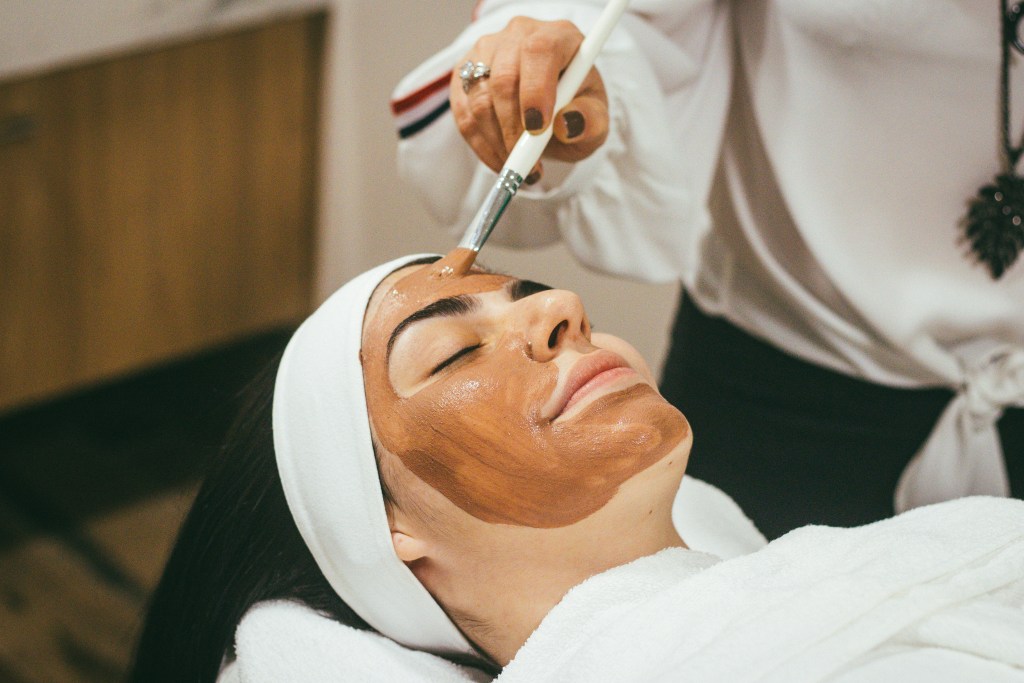
Customized facial treatments can include a variety of techniques and products, such as:
The cost of a customized facial can vary depending on the treatments included and the location of the spa. At Circles of Wellness Med Spa, our customized facials start at $120. We offer a range of packages and add-ons to ensure you get the best value for your investment.
Finding a customized facial near you is easier than ever. Simply search for “customized facial near me” to find local spas and read reviews. If you’re in St. Augustine, Florida, Circles of Wellness Med Spa offers top-notch customized facials tailored to meet your unique skin needs.
The type of facial you should get depends on your skin type and specific concerns. Here’s a quick guide to help you decide:
At Circles of Wellness Med Spa in St. Augustine, Florida, we pride ourselves on offering personalized skincare treatments that deliver results. Our customized facials are designed to address your specific skin concerns, ensuring you leave with a radiant, healthy complexion. Whether you’re dealing with acne, aging, or simply want to pamper yourself, our expert team is here to help.
Choosing the right facial can make a significant difference in your skincare routine. By understanding the various options available and considering your specific skin needs, you can select a facial that will provide the best results. At Circles of Wellness Med Spa, we offer a range of customized facials to help you achieve your skincare goals. Contact us today to schedule your consultation and discover the perfect facial for your skin.

How Long Does A Spray Tan Last?
Spray tans are a fantastic way to achieve a sun-kissed glow without exposing your skin to harmful UV rays. However, one of the most common questions people have is, “How long does a spray tan last?” In this blog post, we will explore the longevity of spray tans under various conditions to help you make the most of your radiant new look.
Swimming pools are often treated with chlorine, which can significantly impact the lifespan of your spray tan. Chlorine can strip away the outer layer of the tan, causing it to fade more quickly. Typically, a spray tan may last around 3-5 days if you frequently swim in a chlorinated pool.
By following these steps, you can enjoy swimming while maintaining your tan for a longer period.
A professional spray tan, applied by an experienced technician, generally lasts between 7 to 10 days. The longevity depends on several factors, including the quality of the solution used, your skin type, and how well you prepare and maintain your skin before and after the tanning session.

By following these pre- and post-tan care tips, you can enjoy a longer-lasting, even tan.
Daily showers can cause your spray tan to fade faster, especially if you use hot water and harsh soaps. Typically, a spray tan can last 5-7 days if you shower every day. However, with the right shower routine, you can extend the life of your tan.
By incorporating these tips into your daily shower routine, you can help your spray tan last longer and maintain its vibrant color.
The face is an area where spray tans tend to fade more quickly due to frequent washing, exfoliation, and exposure to various skincare products. Generally, a spray tan on your face will last around 3-5 days. To prolong the tan on your face, use a gentle cleanser, avoid exfoliating products, and consider using a gradual tanning moisturizer to maintain the color.
By following these face-specific tips, you can enjoy a radiant, even tan on your face for longer.
Salon spray tans, much like professional tans, typically last between 7 to 10 days. The key to longevity is in the preparation and aftercare. Exfoliating your skin before your appointment, keeping your skin moisturized, and avoiding activities that cause excessive sweating can help your tan last longer.
By following these tips and taking advantage of the expertise offered by salon professionals, you can enjoy a beautiful, long-lasting tan.
Beach activities, including sun exposure, saltwater, and sand, can all contribute to a shorter lifespan for your spray tan. Generally, a spray tan might last about 3-5 days if you spend a lot of time at the beach.
By taking these precautions, you can enjoy your time at the beach without sacrificing the longevity of your tan.
In conclusion, the longevity of a spray tan can vary depending on several factors, including your lifestyle, skin type, and how well you care for your tan. On average, a spray tan lasts between 5-10 days, but with proper preparation and aftercare, you can maximize the life of your tan. Whether you’re swimming in a pool, enjoying a day at the beach, or simply going about your daily routine, following these tips will help you maintain a beautiful, sun-kissed glow for as long as possible.
At Circles of Wellness Med Spa, we are committed to providing you with the best spray tanning experience. Our skilled technicians use high-quality products to ensure a natural, long-lasting tan. Contact us today to schedule your appointment and get ready to glow!

Which Type of Filler is Right for Me?2
DERMAL FILLERS are a cornerstone of temporary, no-downtime facial rejuvenation. These versatile injectables have become increasingly popular for people seeking to address common signs of aging and enhance their features. Fillers can smooth out fine lines, restore lost volume and diminish the appearance of deeper WRINKLES, offering a refreshed and more youthful look.
The wide variety of fillers available today allows for a highly personalized approach to facial enhancement?but it also can be difficult to keep them all straight. Hyaluronic acid, calcium hydroxylapatite, poly-l-lactic acid?each type of filler has its own distinct properties and uses. So, how do you know which filler is right for you?
There are multiple brand names and formulas of FDA-approved fillers that can help you achieve a range of beauty goals. Here?s a close look at each kind and what they can do.
Hyaluronic acid fillers are the most widely used type of facial filler. They’re primarily composed of a synthetic form of hyaluronic acid, a naturally occuring substance in the body with an incredible capacity to attract and retain moisture. HA fillers have an excellent safety profile and rarely cause adverse reactions.
These versatile fillers can:
Let’s take a look at the most popular HA fillers:
Juvederm: This versatile filler range from Allergan, the makers of Botox, includes multiple formulas custom-built to address different concerns on various areas of the face. For example, Juvederm Voluma is ideal for cheek augmentation, providing a noticeable lift and volume, while Juvederm Vollure and Juvederm Volbella cater to smoothing moderate to severe facial wrinkles and enhancing lip fullness, respectively.
Restylane: Restylane products are designed for natural-looking cheek enhancement, precise lip shaping and smoothing wrinkles and creases around the mouth. Choose Restylane Silk or Kysse for subtle or dramatic lip enhancement, or Restylane Lyft, Refyne or Defyne to lift and firm the cheeks.
Belotero: Belotero Balance is FDA-approved for smoothing nasolabial folds?the creases that run from the bottom of the nose to the sides of the mouth?and for correcting under-eye hollows. Smooth and flexible, it’s designed to integrate with your skin for a natural look.
Radiesse, the only FDA-approved CaHa filler, is derived from a substance naturally found in human bones, making it biocompatible and biodegradable. Radiesse stands out for its dual-action treatment. It not only provides immediate volume enhancement but also stimulates the body?s natural collagen production for sustained results.
This filler is especially effective in smoothing moderate to severe facial wrinkles and folds. It is also used for enhancing facial contours, particularly along the jawline, and providing structural support and lift in the lower face.
Sculptra, the only PLLA filler available in the US, is a synthetic, biocompatible material designed to treat deeper facial wrinkles and volume loss. What sets Sculptra apart is its function: it gradually helps the body to rebuild its own collagen. This leads to gradual and long-lasting results, making it a sought-after option for comprehensive facial rejuvenation.
Sculptra is ideal for altering facial contours, such as reshaping the jawline or augmenting the cheeks. Thanks to its ultra-firm formula, it’s even used for buttock augmentation!
Bella, a PMMA filler, is unique due to its composition of microspheres suspended in a collagen gel. These fillers provide a long-lasting solution for deep facial wrinkles, such as nasolabial folds, and are particularly beneficial for treating acne scars.
Bellafill offers both immediate and enduring improvement, with the microspheres providing a scaffold for natural collagen production.
Choosing the right filler starts with understanding what you want to achieve. Are you looking to smooth out facial wrinkles or marionette lines? Maybe your goal is to restore lost facial volume or enhance specific features. Do you prefer a subtle, or dramatic effect?
Firmer fillers tend to last longer and can provide more noticeable results, making them ideal for those seeking a significant enhancement in areas like the cheekbones or jawline. However, not everyone is looking for a dramatic change. You may prefer a more natural enhancement, which softer fillers can beautifully accomplish.
Skin issues vary greatly, and so do the solutions offered by different fillers. For fine lines, a softer filler might be the answer, while deeper wrinkles and significant volume loss may require a more robust option. Understanding the condition of your skin and the specific improvements you desire is key in making an informed choice.
After pinpointing your goals and assessing your skin’s needs, the next step is consulting with a cosmetic professional. A board-certified professional can offer invaluable guidance. They have the expertise to recommend the best filler type for your specific concerns and desired outcomes.?
This consultation is also an opportunity to discuss potential risks, recovery times and to get answers to any lingering questions. Remember, the success of filler treatments lies not just in the product, but in the skill and experience of the professional administering it.
Consider how long different fillers last and the maintenance they require. Some fillers offer temporary results and may need regular touch-ups, while others provide longer-lasting effects. Discuss with your professional the longevity of each option and what kind of maintenance schedule would fit your lifestyle and budget.
Finally, armed with detailed information and professional advice, you?re ready to decide which filler is right for you. Remember, the choice of filler should align with your personal aesthetic goals, lifestyle and comfort level with maintenance and potential side effects. Your journey to enhanced beauty should feel confident and well-informed.
When deciding which type of filler is right for you, it’s important to consider the potential side effects associated with these treatments. While fillers, especially when administered by a skilled professional, are generally safe, they can sometimes lead to reactions such as redness, swelling and bruising at the injection site. More rarely, fillers can cause lumps or asymmetry, and in very rare cases, more serious complications.
Discussing these possibilities with your provider not only prepares you for what to expect but also helps in selecting a filler type with a risk profile that you are comfortable with. Remember, understanding and weighing the side effects is a key part of making an informed decision about dermal fillers.
First up, let’s tackle a common mix-up: Botox and fillers. Though they might seem similar, they’re more like distant cousins in the cosmetic family. Botox, known for its wrinkle-reducing prowess, prevents facial muscles from moving, thereby softening the expression lines that appear when you frown, smile or look surprised. It’s fantastic for smoothing out forehead lines, ‘elevens’ and crow?s feet.
Fillers, on the other hand, provide a volume boost to areas of loose skin or wrinkles. Because Botox and fillers correct different concerns, they can be used together for more comprehensive facial rejuvenation.
Now, let’s talk longevity. Fillers are like a temporary lease on youthfulness’ they can last from a few months up to a couple of years, depending on the type you choose. They’re quick, relatively simple and offer immediate results.
If you’re interested in a more long-term commitment, autologous fat grafting is a volumizing option in which fat is taken from one part of your body and transferred to your face. The process is more involved than fillers but offers a more permanent solution, all while using your body’s natural resources.
When we weigh fillers against surgical options like a facelift, it really comes down to the level of change you?re looking for. Fillers are great for subtle tweaks and touch-ups, ideal for those who want to freshen up without downtime or who aren?t quite ready to dive into the deep end of cosmetic surgery.
Surgical options, such as a facelift, are more like a full system update. They offer comprehensive solutions to aging, addressing significant sagging and deep wrinkles in ways fillers can’t. It’s the most holistic approach, with results that are more extensive and long-lasting.
Choosing the right dermal filler is an art form in itself, one that blends your unique needs with the diverse capabilities of each filler type. Whether it’s adding volume to your lips with hyaluronic acid, sculpting a more defined jawline with calcium hydroxylapatite, restoring your natural collagen with poly-l-lactic acid or opting for the enduring touch of polymethylmethacrylate, the right filler can elevate your natural beauty to new heights.
Remember, the journey to a rejuvenated, youthful appearance is as much about the choice of filler as it is about the skill of the provider. Consulting with a qualified and experienced professional is the crucial step in ensuring that your aesthetic goals are met with precision and care. They can guide you through the myriad of options and tailor a treatment plan that resonates with your individual beauty aspirations.
With the right guidance and a clear understanding of what each filler brings to the table, you’re well on your way to enjoying a refreshed, radiant look that feels just as good as it appears.

Chemical Peels for Acne: Everything You Need to Know
Acne vulgaris is a pervasive skin issue that can significantly impact your quality of life, affecting not just teenagers but adults as well. Even after active acne has subsided, you’re often left with marks and scars that are equally challenging to manage.
While there’s an array of over-the-counter treatments available, these options might not always give you the results you desire. This brings us to a more specialized method of dealing with acne and its aftermath?chemical peels.
A chemical peel is a dermatological procedure that involves applying a chemical solution to the skin. This solution typically contains various types of acid, such as glycolic acid, alpha hydroxy acid, or salicylic acid. The purpose of these acids is to induce controlled injury to the skin, leading to exfoliation and eventually, peeling of the outer layers.
When the dead skin cells shed off, what?s revealed is a new layer of skin that is typically smoother, less wrinkled, and more even in skin tone. The level of exfoliation depends on the type and concentration of acid used, how long the acid is left on the skin, and your specific skin type and concern.
Chemical peels are categorized into three types based on their depth of penetration. Superficial peels use mild acids like alpha-hydroxy acid to penetrate only the outer layer of skin and exfoliate it. Medium-depth peels use trichloroacetic acid or TCA and penetrate the outer and middle layers of skin for more dramatic resurfacing. Deep peels contain phenol and penetrate the middle layer of skin more deeply; they have a high risk profile are not recommended for acne.
Acne is often the result of clogged pores, bacterial infection, and inflammation. Over-the-counter products generally offer temporary relief but may not target the root causes effectively.
Chemical peels are clinically proven to improve acne symptoms, and offer several advantages in acne management:
Acids like salicylic acid (a beta-hydroxy acid or BHA) are effective in breaking down the debris and oils that clog pores. This helps to reduce breakouts and promotes clearer skin.
Salicylic acid lowers the production of sebum, the oil naturally produced by your skin. With less sebum to clog your pores, you?ll start to see fewer breakouts. It?s also comedolytic, meaning it prevents pimples from forming because of clogged pores.
With the top layer of dead skin removed, the skin care products you use at home can penetrate more deeply, making them more effective.
Peels can help lighten areas of post-inflammatory hyperpigmentation that can linger for months or years after a bad breakout. Stronger peels can also smooth out the texture of the skin, reducing the appearance of mild acne scars.
The best chemical peel for you depends on your specific type of acne, skin type, and any additional skin issues you might have like sun damage or hyperpigmentation. Today?s peels are usually composed of a cocktail of ingredients optimized to treat a specific condition or range of conditions.
Ingredients found in chemical peels for acne include:
For our acne-prone patients, we typically recommend a VI Peel from the Vitality Institute. These painless medium-depth peels offer significant results and are safe for all skin types and tones. They contain a blend of skin-boosting, acne-fighting ingredients including TCA, salicylic acid, retinoic acid, and vitamin C.
Depending on your skin?s unique needs, we may also advise complementary acne treatments such as a customized facial or Stellar IPL, a gentle light-based therapy that destroys acne-causing bacteria.
Determining whether you are a good candidate for a chemical peel depends on various factors, including your skin type, the severity of your acne, and your overall health. Generally, individuals with mild to severe acne, frequent breakouts, acne scarring, or hyperpigmentation are suitable candidates. Additionally, if you have uneven skin tone or fine lines, a chemical peel could offer multiple benefits.
However, certain contraindications such as active skin infections, certain types of dermatitis, or the use of specific medications like retinoids may make you unsuitable for this treatment.
When you arrive for your chemical peel appointment, your skin will be cleansed thoroughly, and the chosen peel solution will be applied. You may feel a tingling or burning sensation during the application. After a set period, the solution is neutralized and removed, followed by the application of a moisturizer and sunscreen.
You can expect some redness and sensitivity after the peel. Some peels may also result in temporary discoloration of the skin. Your skin will start to shed, revealing a new layer beneath.
Downtime and the severity of side effects varies depending on the type of peel, so your recovery may take anywhere from a few days to a few weeks. It’s crucial to follow your dermatologist’s aftercare instructions, which may include moisturizing, avoiding sun exposure, and using gentle skin care products. Wear a broad-spectrum sunscreen of SPF 30 or higher to protect your new skin, which is especially prone to sun damage during the healing period.
The frequency of your chemical peels will depend on the specific type of peel, the severity of your acne, and your skin’s healing capacity. Mild peels can usually be done every three to four weeks, while medium depth peels might only be advisable a few times a year. Always follow the guidance of your dermatologist or skincare specialist.
Chemical peels can be a beneficial addition to your skincare routine if you’re struggling with acne or acne scars. They offer a way to deeply exfoliate the skin, unclog pores, and accelerate the turnover of skin cells. When chosen carefully and administered by professionals, chemical peels can lead to significant improvements in your skin’s texture and tone. Always consult a dermatologist or skin care specialist to determine if a chemical peel is suitable for you and which type would provide the most benefits.

Botox vs Dermal Fillers – What’s the Difference?
If you’ve been thinking about investing in cosmetic treatments to refresh and rejuvenate your face, you’ve likely heard of Botox and dermal fillers. While both options aim to reduce the signs of aging and enhance your natural beauty, they function in different ways and offer different results. Here’s a guide to help you understand the key differences and determine which treatment is right for you.
Botox Cosmetic is a brand name for the botulinum toxin, a substance that relaxes muscle contractions. It’s commonly used to treat dynamic wrinkles, which are the lines that appear when you make facial expressions. By blocking signals from the nerves to the muscles, Botox softens the appearance of these wrinkles, giving the skin a smoother, refreshed look.
Other common FDA-approved neurotoxins are Daxxify, Dysport, Jeuveau (AKA ?Newtox?), and Xeomin.
Botox is a versatile treatment with both aesthetic and medical applications. Here are some key areas it’s commonly used for:
Besides its cosmetic applications, Botox has medical uses such as treating chronic migraines, excessive sweating, and certain muscle-related conditions.
A Botox treatment involves injecting a purified form of botulinum toxin into targeted facial muscles. The procedure is quick, usually taking about five minutes. A mild pinching sensation may be felt during each injection. Afterward, it’s normal to see slight swelling or red marks, which usually subside within hours.
Afterward, adhere to guidelines like remaining upright for 20 minutes, avoiding intense physical activities for a couple of days and cleansing your face gently to prevent irritation.
Noticeable improvements usually take around 3-4 days to appear, reaching their peak within two weeks. Some other neuromodulators, like Dysport, might offer quicker visible changes, sometimes in just 1-2 days.
While Botox and other neuromodulators are generally safe, there can be minor side effects. These might include temporary redness, mild discomfort, or a slight headache. The downtime is usually minimal, allowing you to return to your regular activities right after the procedure.
The effects of Botox are temporary, usually lasting around three to four months. Over time, some clients notice that the treatment’s effectiveness increases, possibly because the treated muscles adapt to a more relaxed state.
The cost of Botox varies depending on several factors, including the brand used, the expertise of the provider, and the units required for the treatment. While typically more affordable than dermal fillers, Botox is still an investment in your appearance and overall well-being. For a personalized cost estimate, consult your healthcare provider.
Dermal fillers are gel-like substances that are injected into the skin to enhance facial contours, smooth lines, and add youthful plumpness to the face and hands. They come in a variety of types and brands, designed to meet a range of cosmetic needs.
Most fillers contain hyaluronic acid, a naturally occurring substance in the human body. Hyaluronic acid can hold multiple times its weight in water, offering instant hydration and volume. Among the most popular HA filler brands are Belotero, Restylane, and Revanesse.?
For those looking for more lasting results, fillers like Sculptra and Radiesse are available. Sculptra is composed of poly-L-lactic acid (PLLA), while Radiesse contains calcium hydroxylapatite (CaHA). These substances are more robust than hyaluronic acid and encourage long-term collagen production to support the skin?s natural framework.
Dermal fillers can achieve a wide range of aesthetic goals:
A skilled medical practitioner will evaluate the areas you want to target and discuss expected outcomes and possible risks. To minimize discomfort, a numbing cream may be applied, although some fillers already have an anesthetic in their formula. The injection process is generally quick but can vary depending on the area and amount of filler used.
After getting cosmetic injections, avoid direct sunlight and strenuous activities for 24 hours. Always wear sunscreen to protect the treated areas.
Results can vary from six months to more than a year, depending on the specific filler used.
Although dermal fillers are usually well-tolerated, some individuals may experience side effects like swelling, redness, or bruising at the injection site. These typically resolve within a week. Ice packs can help alleviate these symptoms, and it’s always good to consult your healthcare provider for any concerns.
The longevity of dermal fillers depends on the type and treatment area. Hyaluronic acid-based fillers like Versa and Restylane can last 3?6 months, while more durable fillers like Radiesse and Sculptra may offer results lasting up to 2 years.
The cost of dermal fillers can vary, influenced by factors such as the type of filler, your healthcare provider?s expertise, and the amount required for the desired outcome. Typically, dermal fillers can be more expensive than treatments like Botox, given their longer-lasting effects and the volume of the product used.
| Feature | Botox | Dermal Fillers |
| Target Areas | Dynamic wrinkles like crow?s feet, frown lines, and forehead lines | Static wrinkles, lost volume, and facial contouring |
| Active Ingredient | Botulinum toxin | Hyaluronic acid, calcium hydroxylapatite, poly-L-lactic acid |
| Duration of Effect | 3 to 6 months | 6 to 18 months, depending on the product |
| Procedure Time | 10-30 minutes | 15-45 minutes |
| Recovery Time | Minimal, usually no downtime | Minimal to moderate, depending on the area treated |
Absolutely! Many people opt for a combination approach to address different facial concerns simultaneously. Botox can be used to treat dynamic wrinkles, while dermal fillers can tackle volume loss and static wrinkles. A board-certified medical professional can tailor a treatment plan that utilizes both, depending on your aesthetic goals.
The choice between Botox and dermal fillers ultimately depends on your specific needs and what you’re looking to achieve. If you’re bothered by lines that appear or become more pronounced when you smile, frown, or make other facial expressions, Botox may be the best choice. If you’re looking to add volume to specific areas of the face, or smooth out static wrinkles, dermal fillers are more suitable. A consultation with our experienced team will provide personalized guidance.
Botox and dermal fillers are two effective, minimally invasive cosmetic procedures that treat different kinds of facial wrinkles. Each offers unique anti-aging benefits: while Botox is best for smoothing dynamic wrinkles, dermal fillers can restore lost volume and contour the face. Many people find that a combination of both treatments offers the most comprehensive and satisfying results. To explore your options and develop a tailored treatment plan, consult a medical professional.

Understanding Wrinkles: Types, Causes, Prevention, and Treatments
Wrinkles are a natural part of the aging process, appearing as creases, folds, or ridges in the skin. They can develop on various parts of the body, particularly on areas exposed to the sun, such as the face, neck, hands, and forearms.
Here, we’ll explore the different types of wrinkles, their causes, prevention tips, and treatment options.
There are two major categories of wrinkles: dynamic and static. Over time, dynamic wrinkles may evolve into static ones.
These form from repeated facial movements and expressions, such as smiling, frowning, squinting, or furrowing the brow. Over time, our facial muscles create creases in the skin, leading to dynamic wrinkles such as:
These types of wrinkles are present regardless of facial movements. They are the result of sun damage, aging, and a decrease in collagen and elastin?the proteins responsible for our skin?s elasticity?as well as the pull of gravity. Sun exposure plays a significant role in the appearance of static wrinkles, as UV rays break down collagen and elastin fibers.
It’s important to note that with repetitive facial expressions and aging, dynamic wrinkles can eventually become static as the skin loses its elasticity.
Some examples of static wrinkles are:
Wrinkles result from a combination of genetics, lifestyle habits, and the natural aging process.
These vital proteins give our skin its youthful bounce and stretch. As we age, their production decreases, resulting in the appearance of wrinkles.
Repeated facial movements lead to expression lines. Smile lines, laugh lines, and nasolabial folds (the lines that run from the nose to the mouth) are often the result of years of smiling and laughing.
Our genes determine our skin type, its elasticity, and how it retains moisture, all of which are factors that influence wrinkle formation. Additionally, certain genetic predispositions can cause some individuals to produce less collagen and elastin over time, making them more prone to the early onset of wrinkles compared to others.
Individuals with darker skin tones have higher levels of melanin, which offers some protection against the damaging effects of UV rays. This often results in a delay in the onset of visible wrinkles compared to those with lighter skin. However, while lighter skin might show wrinkles earlier, darker skin tones are more susceptible to hyperpigmentation and uneven skin tone as signs of aging.
Sun damage, or photoaging, exacerbates the aging process, leading to sun spots, reduced skin elasticity, and, of course, wrinkles. Regular use of sunscreen with a high SPF can help prevent this.
At Circles of Wellness, we offer multiple non-invasive, effective and FDA-approved cosmetic treatments that help prevent and reduce wrinkles of all kinds.
What it is: Botox, Jeuveau and other neurotoxins are injectable treatments containing botulinum toxin, a neurotoxic protein.
How it works: When injected in small amounts into specific facial muscles, it blocks the neurotransmitter acetylcholine from being released, causing a temporary muscle paralysis. This reduction in muscle activity smooths out the overlying skin. As the muscles relax and can’t contract, the skin remains smooth and unwrinkled.
What it treats: Dynamic wrinkles of all kinds, including forehead lines, glabellar lines (?elevens?) and chin creases.
What it is: Dermal fillers such as Revanesse are injectables typically made of hyaluronic acid, a substance that holds many times its weight in water.?
How it works: HA fillers act like a sponge when injected beneath the skin, absorbing water and expanding to fill in folds and deep wrinkles. They literally “fill” the space, causing sunken or saggy areas to plump up.
What it treats: Dermal fillers are ideal for correcting wrinkles caused by volume loss, such as nasolabial folds, marionette lines, and jowls.
What it is: A chemical peel typically consists of a mixture of exfoliating acids such as salicylic acid, glycolic acid, and lactic acid, brightening agents, and skin-nourishing ingredients. Some are superficial and involve little actual peeling, while deeper peels can require a week or more of recovery.
How it works: When the chemical solution is applied to the skin, it causes the outer layers to exfoliate and eventually peel off. This process stimulates the skin to regenerate and grow back smoother and less wrinkled. By removing damaged, outer layers of skin, a chemical peel can reveal a brighter, more even complexion underneath.
What it treats: Surface wrinkles, uneven texture, and sun damage.
What it is: Microneedling, also known as collagen induction therapy involves the use of a device equipped with fine needles that create hundreds of tiny, controlled micro-injuries or punctures on the skin’s surface. Some forms of the procedure also incorporate skin-healing RF energy or IPL light therapy.
How it works
The micro-injuries is to trigger the body’s natural wound healing process. As the skin repairs itself, it increases the production of collagen and elastin. Additionally, the tiny channels created by the needles can enhance the absorption of topical serums and treatments, allowing for better penetration and effectiveness of skincare products.
What it treats: Microneedling is particularly effective for fine lines, crow’s feet, and forehead wrinkles. The procedure can minimize the appearance of deeper wrinkles over time with consistent treatments.
The importance of a solid at-home skin care routine cannot be overstated when it comes to preventing and treating wrinkles. We recommend:
While wrinkles are a natural part of the aging process, there’s a vast array of treatment options available in the world of dermatology. Whether you’re considering botulinum toxin injections, dermal fillers, or simply adjusting your skincare routine, understanding the different wrinkle types and their causes can empower you to make the best decisions for your skin’s needs.
Remember, beyond medical spa treatments, protection against UV rays using sunscreen, ensuring hydration, and employing a rich skincare routine filled with antioxidants, SPF, and collagen-boosting products can make all the difference in the journey of skin aging.