Full Spectrum Infrared Sauna: Your Path to Optimal Health and Wellness
In recent years, full spectrum infrared saunas have gained significant popularity for…
Keep reading
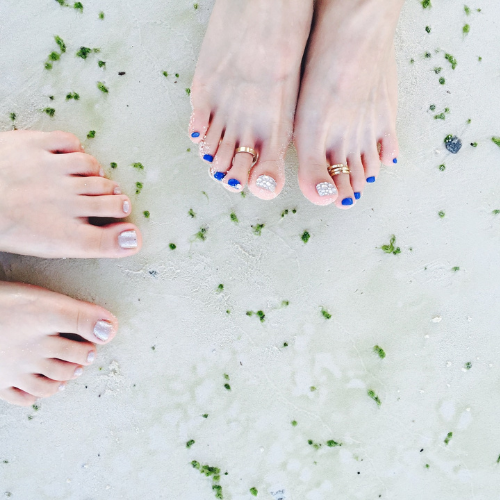
How Long Does a Pedicure Last?
Pedicures are a luxurious and rejuvenating experience that not only enhance the appearance of your feet but also contribute to overall well-being. Beyond the immediate aesthetic benefits, regular pedicures offer a range of advantages that extend beyond the spa setting. In this comprehensive guide, we will delve into the factors that influence the longevity of a pedicure, providing you with valuable insights and tips for maintaining your results. A pedicure is not just a beauty treatment; it’s a moment of relaxation and self-care. Whether you’re preparing for a special occasion or simply pampering yourself, knowing how long a pedicure lasts can help you plan your self-care routine. In this article, we’ll explore the longevity of a pedicure and discuss related treatments like medicures and pedicures.
A pedicure is a cosmetic treatment focused on the care and beautification of the feet and toenails. This luxurious treatment typically begins with soaking the feet in warm, aromatic water to soften the skin and relax the muscles. The process includes exfoliating dead skin cells from the feet, especially around the heels and soles, using a foot scrub or pumice stone. The toenails are then carefully trimmed, shaped, and buffed, ensuring they are clean and well-maintained. Finally, a rich moisturizer is applied to keep the feet hydrated, and nail polish is added for a finishing touch of elegance.
While a pedicure focuses primarily on enhancing the appearance of the feet, it also provides a moment of relaxation and pampering. For those who want to combine beauty with health, incorporating a medicure into your routine can be beneficial. A medicure, which addresses specific foot health issues, can complement a pedicure by ensuring your feet are not only beautiful but also healthy. Together, these treatments offer a holistic approach to foot care, ensuring that your feet look and feel their best.
To ensure your pedicure lasts as long as possible, it’s important to take care of your feet. This includes moisturizing daily, avoiding harsh activities that can chip your nail polish, and wearing socks or slippers around the house. If you notice any chipping or wear, you can touch up your polish at home to keep your toes looking fresh.
A medicure, sometimes referred to as a medical pedicure, is a more in-depth foot treatment that goes beyond the cosmetic. It addresses foot health issues such as ingrown toenails, fungal infections, and calluses. This treatment is typically performed by a podiatrist or a trained specialist in foot care. While a medicure may not focus on aesthetics, it can significantly improve the overall health of your feet, making your pedicure last longer.
Before we explore the longevity of pedicures, it is essential to differentiate between pedicures and medicures. While both involve foot care, they serve distinct purposes. A pedicure is a cosmetic treatment that focuses on enhancing the appearance of your feet through nail trimming, shaping, buffing, and polishing. It also includes exfoliation and massage to promote relaxation and rejuvenation. On the other hand, a medicure is a medical treatment designed to address specific foot health concerns, such as calluses, corns, or fungal infections. Medicures are typically performed by podiatrists or other medical professionals and involve specialized techniques to treat underlying foot conditions.
The duration of a pedicure’s effects can vary depending on several factors, including:
Tips for Maintaining Your Pedicure To maximize the longevity of your pedicure and enjoy its benefits for as long as possible, consider the following tips:

Pedicures and medicures are both treatments that focus on foot care, but they serve different purposes. A pedicure is a cosmetic procedure that aims to enhance the appearance of your feet through nail trimming, shaping, buffing, and polishing, as well as exfoliation and massage. On the other hand, a medicure is a medical treatment designed to address specific foot health concerns, such as calluses, corns, or fungal infections.
If you are looking to improve the overall appearance of your feet and indulge in a relaxing spa experience, a pedicure is an excellent choice. Pedicures can help to soften rough skin, remove dead skin cells, and enhance your feet’s natural beauty. However, if you are dealing with specific foot problems, a medicure is a more appropriate option. A podiatrist or other medical professional can assess your feet and provide targeted treatments to address your concerns.
Ultimately, the decision of whether to get a pedicure or a medicure depends on your individual needs and goals. If you are simply seeking to pamper your feet and improve their appearance, a pedicure is a great option. However, if you have specific foot health concerns, a medicure may be more beneficial. It is important to consult with a qualified professional to determine which treatment is right for you.
The ideal time to schedule your next pedicure depends on your individual needs and lifestyle. However, most people find that getting a pedicure every 2-4 weeks helps to maintain their feet’s appearance and health.
Understanding how long a pedicure lasts and the benefits of additional treatments like medicures can help you make the best decision for your foot care routine. Whether you opt for a standard pedicure, a medicure, or a combination of both, taking care of your feet will ensure they stay healthy and beautiful for weeks to come.
In recent years, full spectrum infrared saunas have gained significant popularity for…
Keep readingPedicures are a luxurious and rejuvenating experience that not only enhance the…
Keep readingDysport has gained significant popularity as a non-invasive cosmetic treatment designed to…
Keep reading
How Long Does Dysport Last? Your Guide to Smoother Skin
Dysport has gained significant popularity as a non-invasive cosmetic treatment designed to diminish the visibility of wrinkles and fine lines. It has become a preferred choice for many individuals seeking to rejuvenate their appearance without undergoing surgical procedures. A common question that arises for those considering Dysport is its duration of effectiveness. While the desire for long-lasting results is understandable, the reality is that the lifespan of Dysport’s effects can vary considerably from person to person. Several factors influence this variability, making it essential to explore these elements in detail to gain a comprehensive understanding.
Before delving into the intricacies of Dysport’s duration, it’s essential to establish a foundational understanding of this popular cosmetic treatment. Dysport is a neuromodulator, a classification it shares with its well-known counterpart, Botox. Both substances operate by temporarily inhibiting the underlying muscles responsible for the formation of wrinkles. This mechanism involves the strategic injection of Dysport into specific facial areas, where it effectively blocks nerve signals destined for these muscles. The subsequent relaxation of the muscles leads to a visible reduction in the depth and prominence of wrinkles, resulting in a smoother and more youthful appearance.
One common concern among patients is the potential for a post-treatment headache. While not experienced by everyone, some individuals may report temporary discomfort. Typically, any Dysport-related headache should subside within a few days. If the headache persists or worsens, it’s crucial to consult your medical provider.
The forehead is a popular target for Dysport treatments. On average, the effects of Dysport on forehead lines last between 3 to 4 months. However, individual results can vary. Factors such as your metabolism, muscle activity, and the amount of Dysport injected can influence the duration of the treatment
Dysport can effectively address crow’s feet and other lines around the eyes. Similar to the forehead, the results typically last between 3 to 4 months. However, the delicate skin around the eyes may metabolize the treatment slightly faster, potentially leading to shorter-lasting effects compared to other areas.
If you’re a Dysport newcomer, you might be curious about the treatment’s longevity. The initial Dysport treatment often provides results lasting around 3 months. Subsequent treatments may offer longer-lasting benefits as your body becomes accustomed to the neuromodulator.

Several factors can influence how long the effects of Dysport last. These individual variations contribute to the range of results experienced by patients:
To prolong the rejuvenating effects of your Dysport treatment and maintain a youthful appearance for an extended period, incorporating specific post-treatment care and lifestyle practices is essential. By following these guidelines, you can optimize the duration of your Dysport results and maximize the benefits of this popular cosmetic procedure.
Choosing between Dysport and Botox can be overwhelming. Both are neuromodulators, but they have distinct characteristics. Dysport is often preferred for larger muscle groups like the forehead due to its wider spread, potentially offering a softer, more natural look. Botox, on the other hand, tends to have a more localized effect, making it ideal for smaller areas like crow’s feet. Ultimately, the best choice depends on individual factors. Your desired outcome, the specific areas you want to treat, and your medical history should all be considered. Consulting with a qualified medical professional is essential to determine the most suitable treatment for your unique needs. They can assess your facial structure, discuss your goals, and recommend the neuromodulator that aligns best with your expectations.

Dysport is generally considered a safe and effective treatment when administered by a qualified medical professional. However, like any medical procedure, it carries potential risks and side effects. While serious adverse reactions are rare, it’s essential to be aware of the possibilities.
Common side effects of Dysport include temporary discomfort at the injection site, such as redness, swelling, or bruising. These typically subside within a few days. In some cases, individuals may experience headaches, flu-like symptoms, or temporary muscle weakness near the injection area. These side effects are usually mild and short-lived.
It’s crucial to disclose your complete medical history to your healthcare provider before undergoing Dysport treatment. Certain medical conditions or medications may influence the treatment’s suitability or increase the risk of side effects. Pregnant or breastfeeding women should generally avoid Dysport due to a lack of sufficient safety data.
Dysport can be an excellent choice for reducing the appearance of wrinkles and fine lines. While the duration of results varies, understanding the factors that influence it can help you make informed decisions about your treatment plan. If you’re considering Dysport, schedule a consultation with a qualified medical professional to discuss your goals and expectations.
DERMAL FILLERS are a cornerstone of temporary, no-downtime facial rejuvenation.
Keep readingDERMAL FILLERS are a cornerstone of temporary, no-downtime facial rejuvenation.
Keep readingDERMAL FILLERS are a cornerstone of temporary, no-downtime facial rejuvenation.
Keep reading
What Kind of Facial Should I Get?
Semaglutide has emerged as a promising solution for weight loss, offering hope to many struggling with obesity. However, understanding the duration and guidelines for its usage is crucial for achieving optimal results. In this blog post, we will explore the key aspects of using Semaglutide for weight loss, including when to start, when to stop, and how it compares to other treatments like Tirzepatide. We will also cover user reviews, acquisition methods, and its availability in St. Augustine, Florida.
One of the most common questions people have is whether they should continue taking Semaglutide after reaching their weight loss goals. The answer depends on individual circumstances and goals. Semaglutide works by mimicking a hormone that targets areas of the brain involved in regulating appetite and food intake. For many, continuing the medication helps maintain the weight loss achieved.
Deciding when to stop taking Semaglutide should be a carefully considered decision made in consultation with your healthcare provider. Factors influencing this decision include:

Both Semaglutide and Tirzepatide are used for weight loss, but they have different mechanisms and efficacy levels.
User reviews of Semaglutide for weight loss are generally positive, with many individuals reporting significant weight loss and improved health markers.
Common Feedback:
Success Stories:
Obtaining Semaglutide for weight loss involves a few steps, starting with a consultation with a healthcare provider.
Steps to Acquire:
Yes, Semaglutide has been proven to be an effective weight loss treatment in numerous clinical trials and real-world settings.
Clinical Evidence:
For those living in or near St. Augustine, Florida, Circles of Wellness Med Spa offers access to Semaglutide for weight loss. Our experienced healthcare providers are dedicated to helping you achieve your weight loss goals safely and effectively.
Services Offered:
Semaglutide is a promising option for those looking to achieve and maintain significant weight loss. Understanding how long to stay on the medication, when to stop, and comparing it to other treatments like Tirzepatide can help you make informed decisions. At Circles of Wellness Med Spa in St. Augustine, Florida, we are committed to providing personalized and effective weight loss solutions. Contact us today to schedule your consultation and start your journey towards a healthier you.
DERMAL FILLERS are a cornerstone of temporary, no-downtime facial rejuvenation.
Keep readingHow Do Chemical Peels Work? A chemical peel is a dermatological procedure…
Keep readingWhat is Botox? Botox Cosmetic is a brand name for the botulinum…
Keep reading